
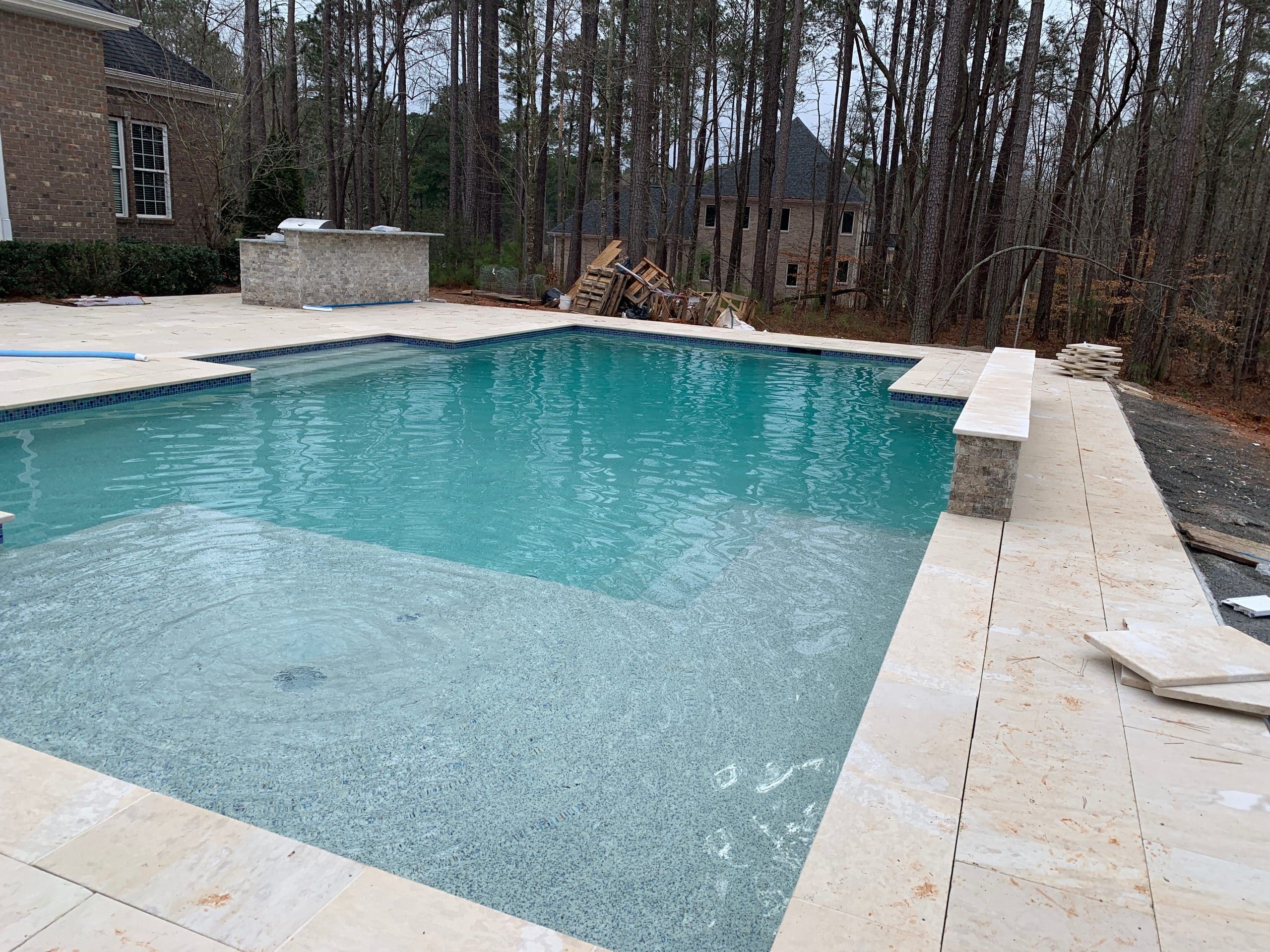
Choosing a Pool Design That Fits Your Raleigh Home and Yard
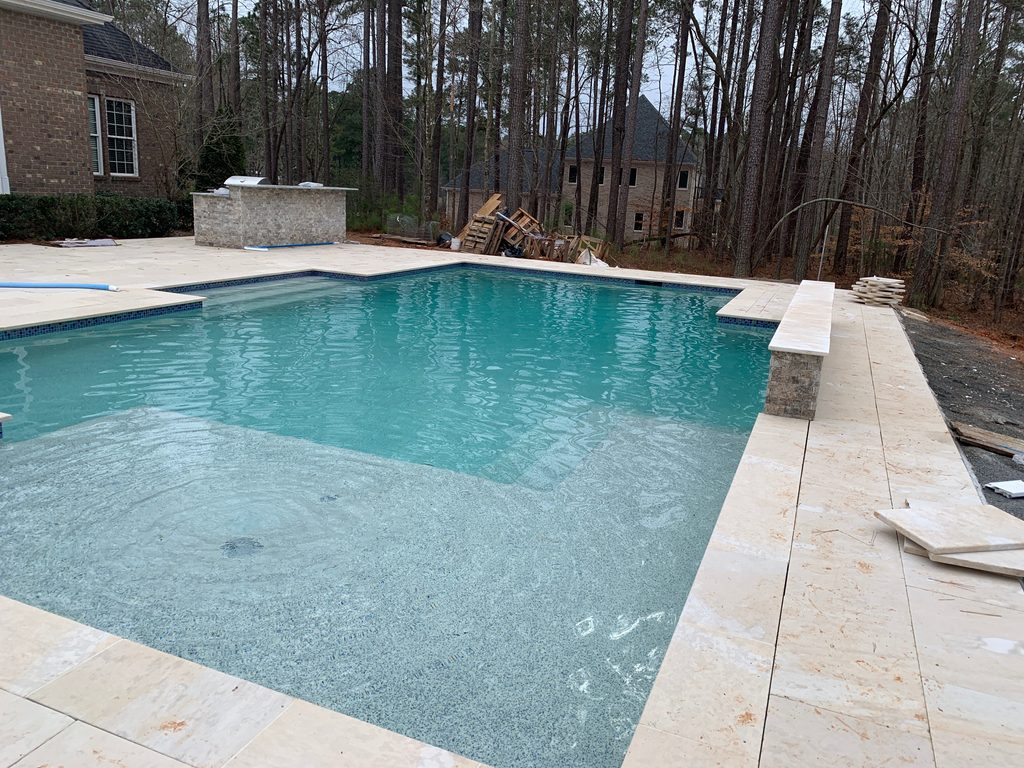
A pool design fits a Raleigh home when it works with the shape of the yard, the home’s architecture, the household’s routines, and the space people need to move around comfortably. Start by listing what you want the backyard to make possible, then discuss the property and design choices with an experienced local builder. A thoughtful plan is more useful than choosing a pool shape first.
Start with the way you want to use the backyard
Before comparing pool shapes, picture an ordinary weekend at home. Will the pool be a place for relaxed family time, a setting for entertaining, a quiet place to cool off, or a combination of those things? Think about who will use it, how often guests visit, and what else matters in the yard, such as a patio, dining area, garden, or open lawn.
These questions help turn a broad idea into a useful design brief. Write down your priorities and rank them. For example, you might care most about an inviting place to gather, a clear route from the house to the water, and enough room for outdoor seating. A short list gives your designer something concrete to work from and helps keep decisions focused as the plan develops.
Read the yard before choosing a shape
A smaller or unusually shaped yard can still support a considered pool plan. The first step is to understand the space that is actually available. Notice where the house, property boundaries, existing trees, slopes, utilities, and access routes sit. Consider how people will enter the yard, walk between the house and pool, and reach the areas where they want to sit or gather.
The pool is only one part of the outdoor setting. Its placement should leave room for the other uses that matter to you and should feel connected to the house rather than squeezed into whatever space is left. A design professional can help evaluate possible layouts and explain which site details need closer review before plans are finalized.
Choose a design that belongs with your home
Look at the lines, materials, and character of your home and landscape. A clean-lined home may lead you toward a geometric pool, while a softer landscape may inspire a more flowing outline. These are starting points, not rules. The right design is the one that feels intentional on your property and suits the atmosphere you want to create.
Gather a few reference images, but note what you like in each one. It may be the proportions, the relationship between the pool and patio, the waterline, or the way seating is arranged. Explaining those details is more helpful than asking a builder to copy a photo that was designed for a different home and yard.
Plan circulation and gathering areas together
How people move through the space matters as much as how it looks. Think about the path from the back door to the pool, where wet-foot traffic will go, and how someone can move around the pool without cutting through a seating area. Also consider where chairs, shade, and a place to set down drinks might fit. These everyday details can make an outdoor area feel easy to use.
For a compact property, each feature has to earn its place. That does not mean every yard needs the same minimal layout. It means choosing the features that support your priorities and discussing how they fit before construction decisions are locked in. Your builder can help you understand the design and site questions that should be resolved for your particular property.
Ask about the full building process
When comparing pool builders Raleigh NC, ask how they learn about your goals, assess your site, develop a design, and guide the project through construction. Ask who will answer questions as the work progresses and what decisions you will need to make along the way. Clear communication helps you understand the process and make choices with fewer surprises.
Swim Inc. designs and builds residential and commercial pools in Raleigh, North Carolina, and the surrounding areas. The company describes its work as custom pool design and construction and presents design, efficiency, safety, and experience as central parts of its approach. If you are considering a project, begin with a conversation about your home, yard, and priorities rather than assuming a particular layout will suit every property.
Make the next step a conversation
If you are researching custom pool design Raleigh NC, bring your priority list, a few photos of the yard, and any questions you already have. You do not need a finished plan. A first discussion can help you understand which ideas may fit the property and what additional information is needed to explore them responsibly.
Swim Inc. has served homeowners since 1983, according to its website. To learn more about the company’s design and construction work, visit Swim Inc. and use the site’s consultation option. A well-planned pool starts with listening to how you want to live outdoors, then shaping the design around the home and site.
Frequently asked questions
What should I consider before designing a pool?
Start with how you want to use the backyard, how people will move between the home and pool, and which other outdoor features matter to you. Then review the site’s layout and constraints with a qualified builder.
Can a small backyard have a custom pool?
Possibly. The answer depends on the property, local requirements, access, and the features you want to include. A site-specific design discussion is the best way to understand what may fit.
How do I choose between pool shapes?
Consider the architecture of your home, the shape of the yard, and the atmosphere you want. Use inspiration images to communicate what you like, then work with a designer to adapt those ideas to your property.
What should I ask a pool builder in Raleigh?
Ask how the builder assesses a property, develops a custom design, communicates during construction, and explains the decisions you will need to make. Also ask which site details or local requirements need to be confirmed for your project.
When should I contact a pool builder?
Contact a builder when you are ready to discuss your goals and property, even if you do not have a final design. An early conversation can help clarify the information and decisions needed for planning.


